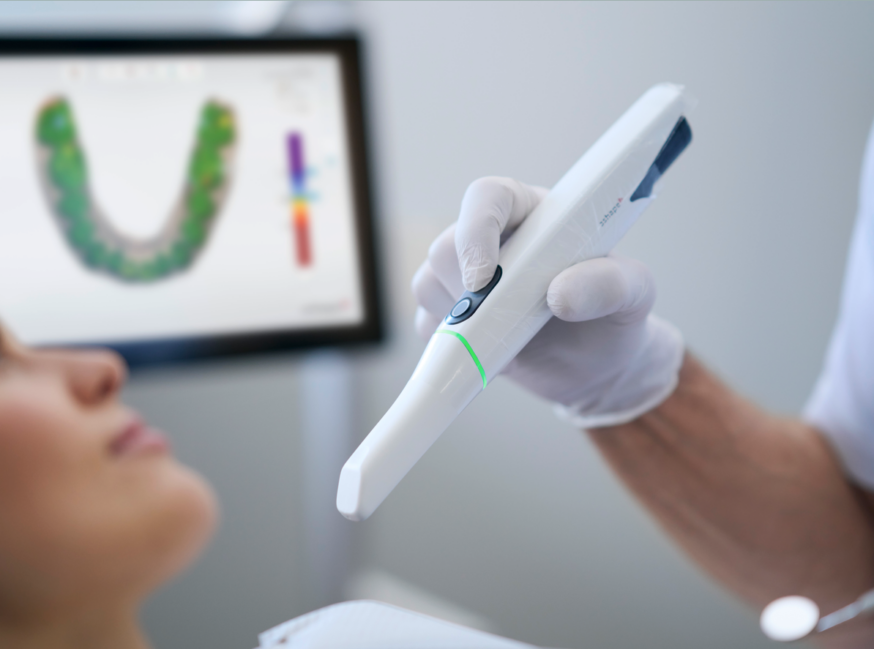
The Digital Dentistry Takeover
70% of US dental practices own an intraoral scanner
Intraoral scanning is rapidly becoming the de-facto choice for record-taking in dental practices today. We estimate greater than 70% of US dental practices own an intraoral scanner1 . Factors such as decreasing costs of ownership, increased demand from patients, and free scanner offers have accelerated digital adoption.
Furthermore, US practices owning 2+ scanners is becoming the norm. As adoption has increased, more practices are opting for one scanner per operatory or per clinician. Our research shows that more than 40% of US practices are using 2+ scanners in their practices today2. As scanners increase in the practice, more clinicians are searching for the most cost effective options to reduce costs.
At Dandy, we have a unique perspective on intraoral scanning. When we opened our dental lab to the world 6 years ago, we made an industry-shocking choice to not accept physical impressions.
Our Research and Development team has tested nearly every intraoral scanner on the market. We can confidently advise on what to look out for when searching for your next intraoral scanner.
CHOOSING THE RIGHT SCANNER FOR YOUR PRACTICE
Not all scanners are created equal. They each have their strengths and weaknesses. This means that some scanners are great at presenting treatment to a patient. But maybe not so great at scanning soft-tissue. Some scanners have flashy software tools, but may not take as accurate of an impression. As you make your decision to take your practice digital, add a new scanner to your practice, or change your current scanner, keep all of this in mind.
INDICATIONS THAT PUSH SCANNERS TO THEIR LIMITS
We hear from many practices who wish they were scanning for more complex cases. Unfortunately they don’t have the technology to scan with high clinical confidence. An example of this is denture and partial dentures. Some scanners struggle to capture soft tissue and edentulous areas. This creates a negative patient experience with long chairtime. And many times these clinicians switch back to analog for these cases.
EVALUATE WITH CLARITY
Dandy’s Research and Development team has evaluated nearly every major intraoral scanner on the market. This guide highlights the scanners we see most often in dental practices and provides an objective view of their strengths and limitations.
The right scanner should fit the clinical needs of your practice, deliver consistent accuracy, and improve efficiency at the chair. It should also expand the indications you can treat digitally, from routine crowns to more complex cases.
We created this guide to help you evaluate your options with clarity. By understanding how scanners perform across different criteria, you can choose a solution that supports your patients, your team, and the future growth of your practice.
40% of US dental practices have 2+ scanners
Top Intraoral Scanners Comparison
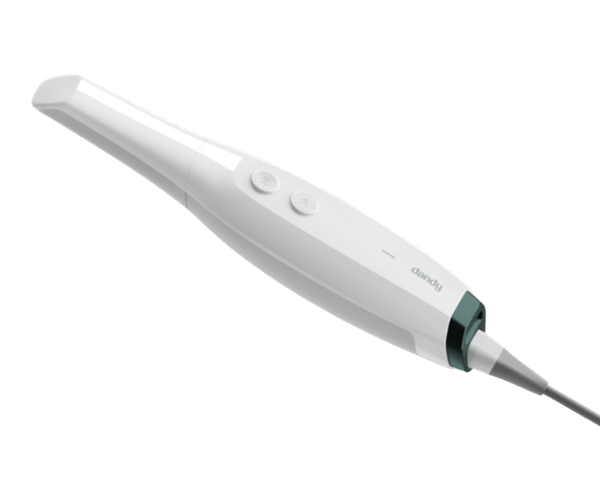
Dandy Vision
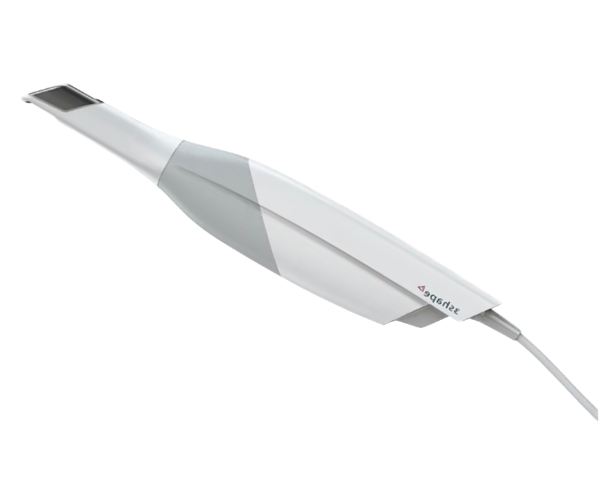
3Shape TRIOS 3
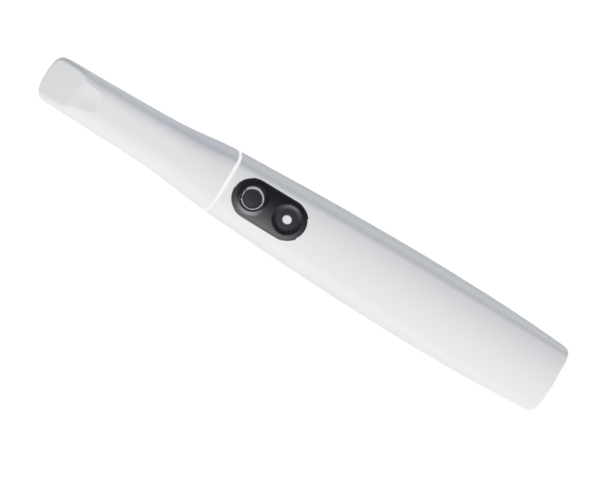
3Shape TRIOS 5
free with Dandy
free with Dandy
(optional)
(Optional)
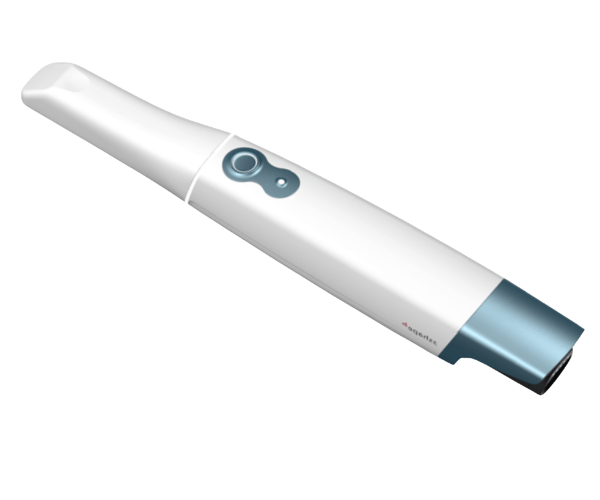
3Shape TRIOS 6
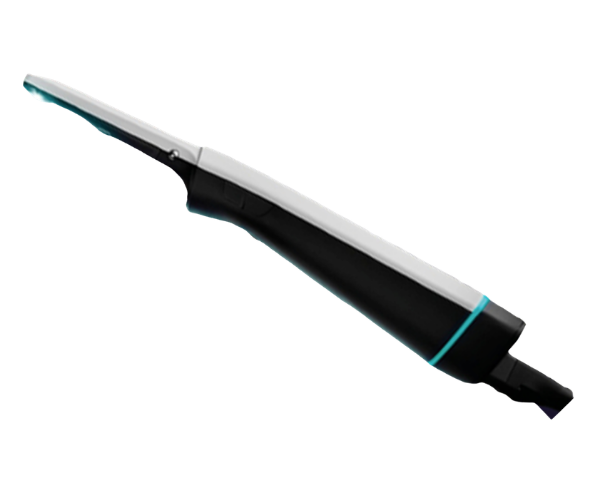
iTero Lumina
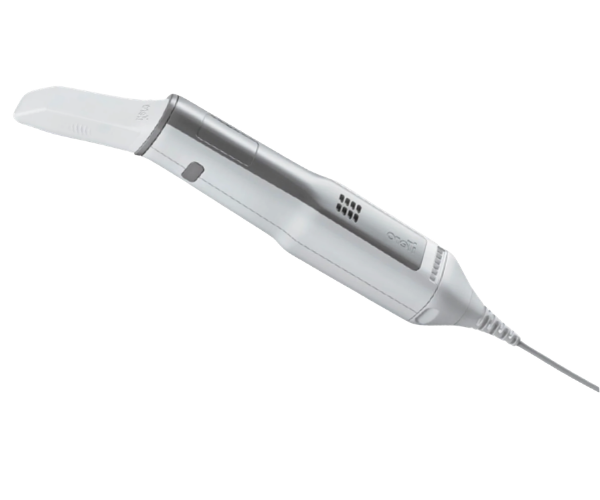
iTero 5D Plus
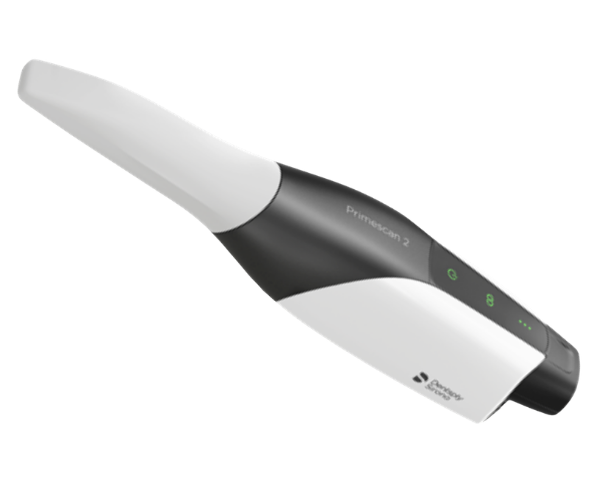
Primescan 2
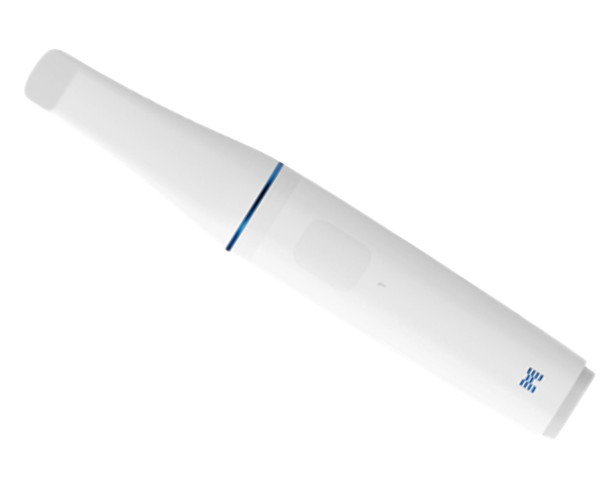
Medit i900
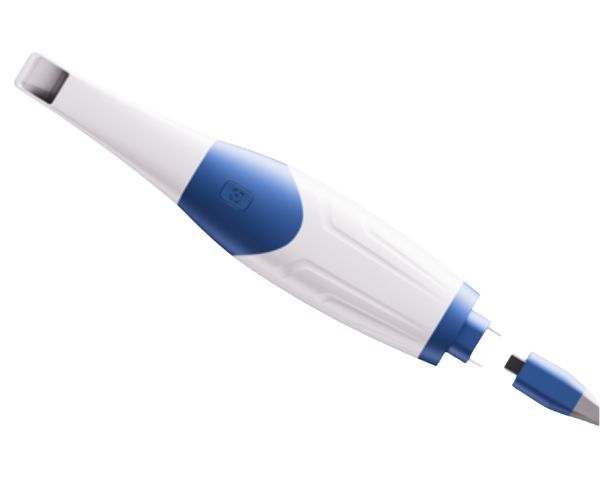
Alliedstar 260
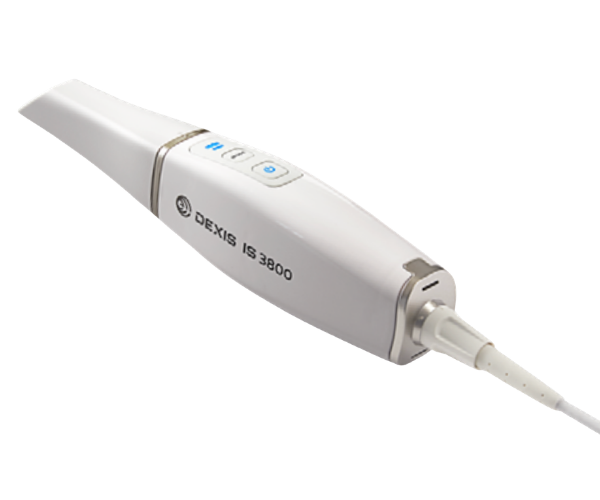
Dexis IS 3800
Top scanners at a glance
SCANNER AFFORDABILITY
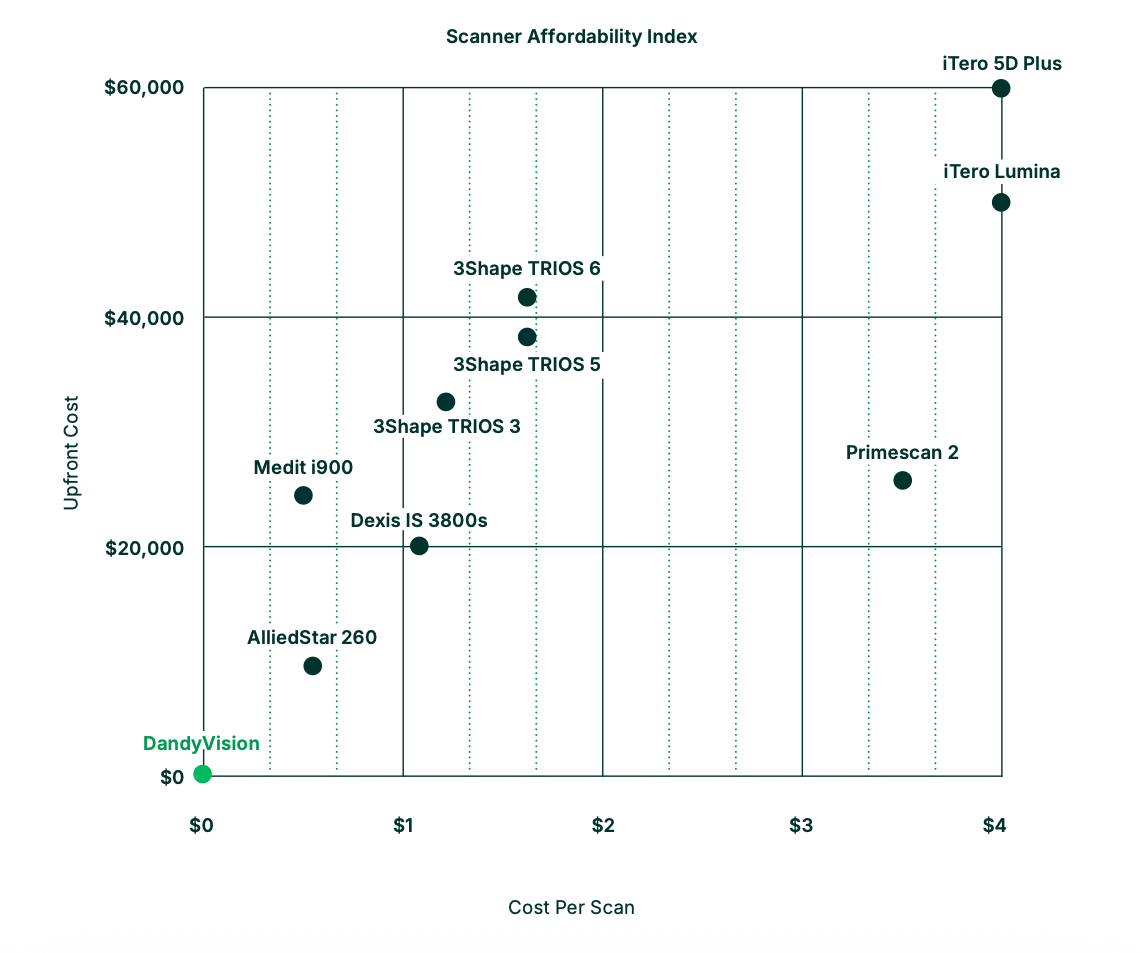
Every dentist thinks about their bottom line. Knowing how each scanner affects your monthly costs is important when making a decision. In the chart below we look at upfront cost versus cost per scan to see where each scanner falls in their level of affordability.
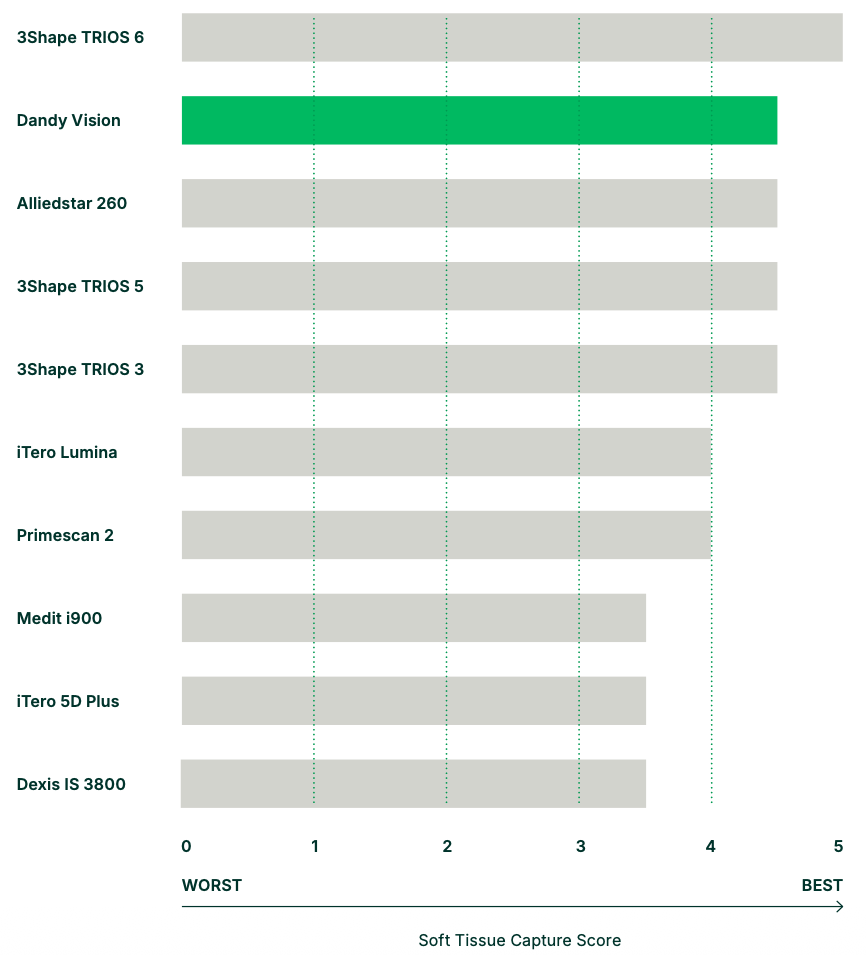
SOFT TISSUE CAPTURE SCORE
Many scanners on the market struggle to accurately capture edentulous tissue. While no scanner is perfect yet, they continue to improve with each generation. This is important to understand if you would like to scan for dentures, partials, and implant restorations.
TOTAL COST OF OWNERSHIP
Monthly fees and scanning tips significantly increase the overall cost, exceeding initial expectations. The quoted price often represents only a fraction of the total expenditure. This chart illustrates the comprehensive five-year cost of ownership, based on an assumption of 20 patient scans per month.
| UPFRONT COST | YEAR 1 | YEAR 2 | YEAR 3 | YEAR 4 | YEAR 5 TOTAL | |
|---|---|---|---|---|---|---|
| iTero 5D Plus | $60,000 | $67,560 | $75,120 | $82,680 | $90,240 | $97,800 |
| iTero Lumina | $50,000 | $57,560 | $65,120 | $72,680 | $80,240 | $87,800 |
| 3Shape TRIOS 6 | $41,000 | $43,696 | $46,392 | $49,088 | $51,784 | $54,480 |
| 3Shape TRIOS 5 | $39,000 | $41,696 | $44,392 | $47,088 | $49,784 | $52,480 |
| Primescan 2 | $24,995 | $30,035 | $35,075 | $40,115 | $45,155 | $50,195 |
| 3Shape TRIOS 3 | $30,400 | $32,993 | $35,586 | $38,178 | $40,771 | $43,364 |
| Medit i900 | $24,500 | $24,720 | $24,940 | $25,160 | $25,380 | $25,600 |
| Dexis IS 3800 | $20,000 | $20,252 | $20,504 | $20,756 | $21,008 | $21,260 |
| Alliedstar 260 | $8,995 | $9,127 | $9,259 | $9,391 | $9,523 | $9,655 |
| Dandy Vision | $0 | $0 | $0 | $0 | $0 | $0 |
Costs shown reflect scanner price, annual subscription fees, and per-scan costs, based on an average of 240 scans per year over five years. Actual costs may vary by practice.
SCAN SPEED, PERFORMANCE, & AI
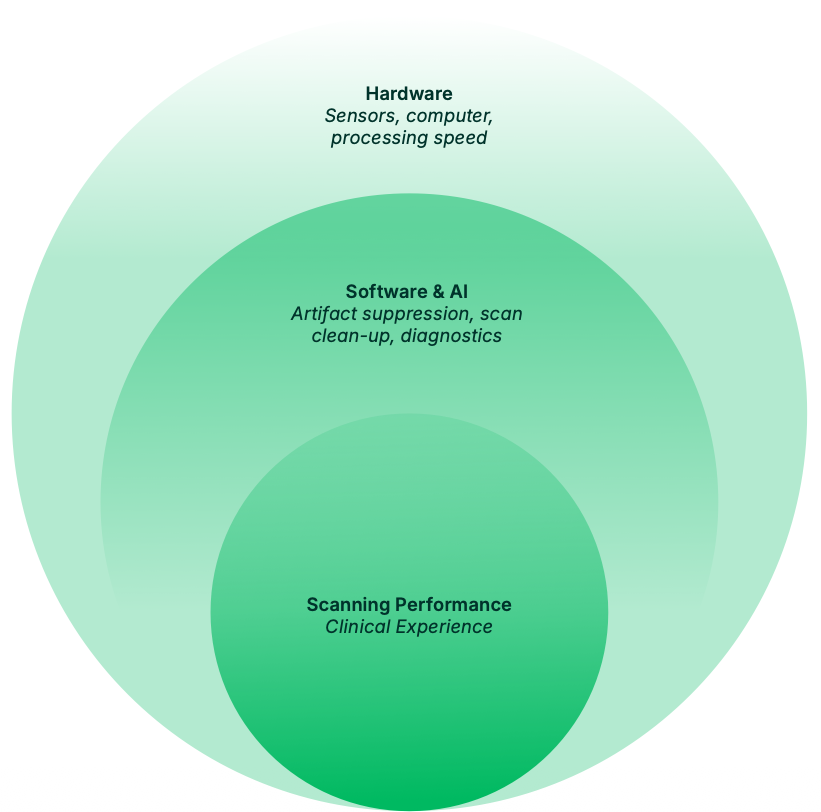
High-speed performance is now standard across most scanners for the majority of indications. On the hardware side, advancements such as faster sensors, improved optics, and faster computer processing have largely leveled the playing field. As a result, software has become the key differentiator in scanner performance, with AI increasingly driving improvements in artifact suppression, scan clean-up, and diagnostic accuracy.
As the number of available scanners grows, clinicians should evaluate the software and artificial intelligence distinctions that each scanner provides. It’s a major contributor to overall scanning performance.
Contributing to Scanning Performance